 Mind Your Body Podcast
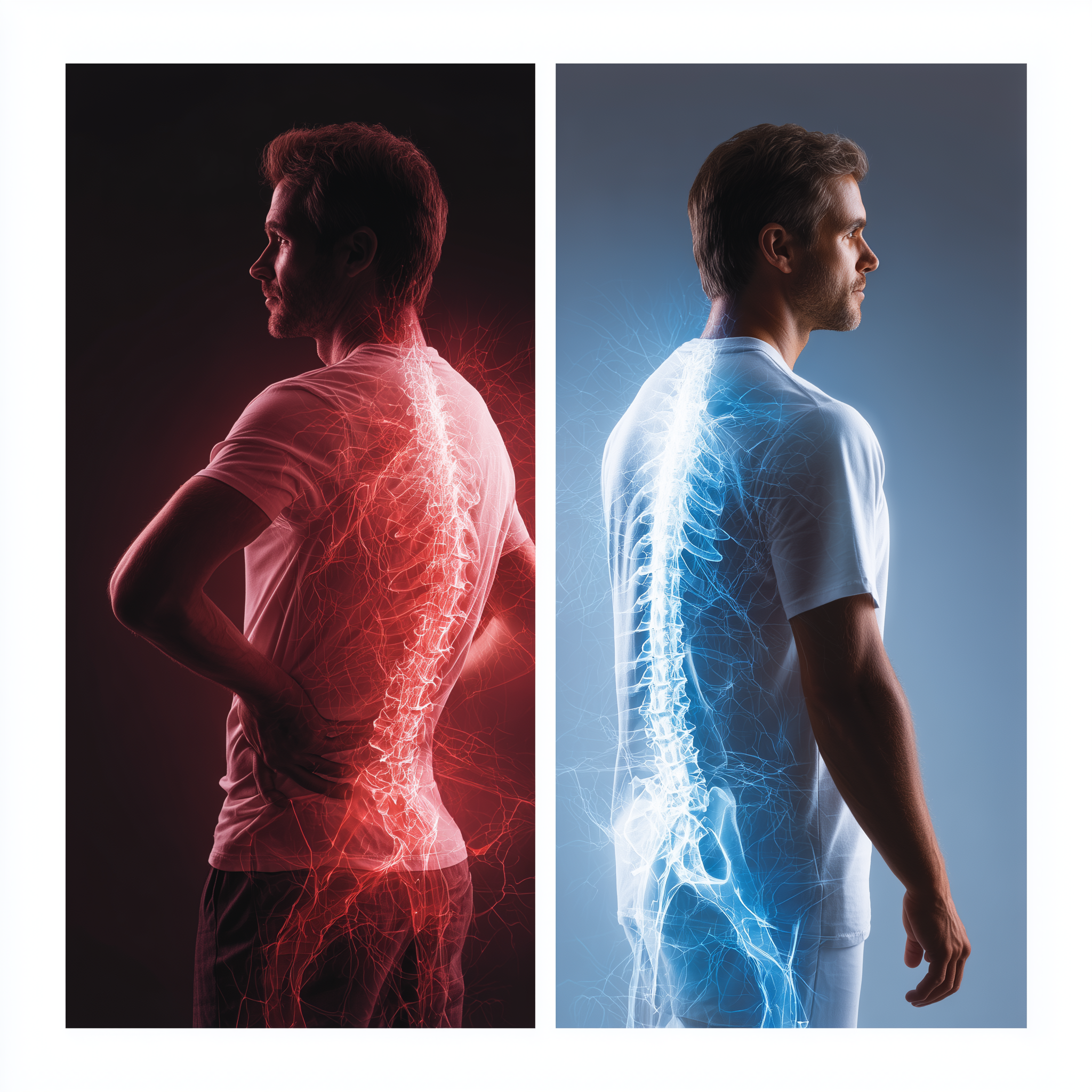
The $50 Billion Pain Industry Doesn’t Want You to Know This
Your pain is real. Your brain is lying.
I used to believe my chronic pain was telling me the truth.
You know that feeling when something hurts so badly that it becomes your entire world? That was me after spine surgery. I’d roll out my yoga mat, determined to heal, and every time I moved into downward dog, my arm would light up with that same familiar fire.
The chronic back pain felt so real, so immediate, that I’d tense up before I even got into the pose. My brain was already writing the story: “Danger ahead. Protect yourself.”
But then something strange started happening. About twenty minutes into each session, while holding that exact same position, the pain would just… vanish. Same spine. Same arm. Same pose. Completely different experience.
That’s when I had my lightbulb moment. Your brain doesn’t just feel pain. It actually creates it.
The Medical Truth That Changes Everything
As a physician specializing in pain, interventional orthopedics, regenerative medicine, Osteopathic manipulation and interventional sports and spine, I had the knowledge that logically my nerve was no longer trapped. My surgeon had cleared me for activity. The structural problem was solved.
Yet my nervous system kept playing the same neuroplastic recording. Like a saved track on a loop recorder that suddenly gets unmuted, my body was experiencing pain as if the injury was happening right now.
This is trauma being relived in the present moment.
Here’s what the $50 billion pain industry doesn’t want you to discover: A landmark systematic review in the American Journal of Neuroradiology found that 90% of people over 60 show disk degeneration on MRI scans, yet most have no back pain whatsoever (Brinjikji et al., 2015). Meanwhile, 85% of chronic back pain cases have no identifiable structural cause.
Think about that for a moment.
We’re spending billions on treatments for problems that don’t exist in your body. They exist in your brain.
We’re not dealing with broken bodies. We’re dealing with pain management issues where nervous systems got stuck playing an old, outdated alarm.
The pain? Absolutely real. But it’s coming from memory, not injury.
“Pain is not your enemy. Fear of pain is.” – Share this if it resonates with you.
But here’s the part that will blow your mind…
Why Your Brain Chooses Suffering (And How to Stop It)
Here’s something I’ve noticed that might make you uncomfortable: some people actually find comfort in their chaos.
I know, I know. It sounds crazy. Who would choose pain?
But think about it this way. Your brain is essentially lazy (in the most efficient way possible). Familiar patterns, even painful ones, require way less energy than creating new neural pathways. It’s like taking the same route to work every day versus learning a completely new city.
Plus, there’s something weirdly safe about familiar chronic pain patterns. At least you know what to expect.
Comfort in chaos is still chaos.
I watch this play out in my office all the time. Patients who seem to find excuses to avoid treatments that are working. Who mysteriously develop new symptoms right when they’re about to break through. Who create relationship drama the moment their back pain starts improving.
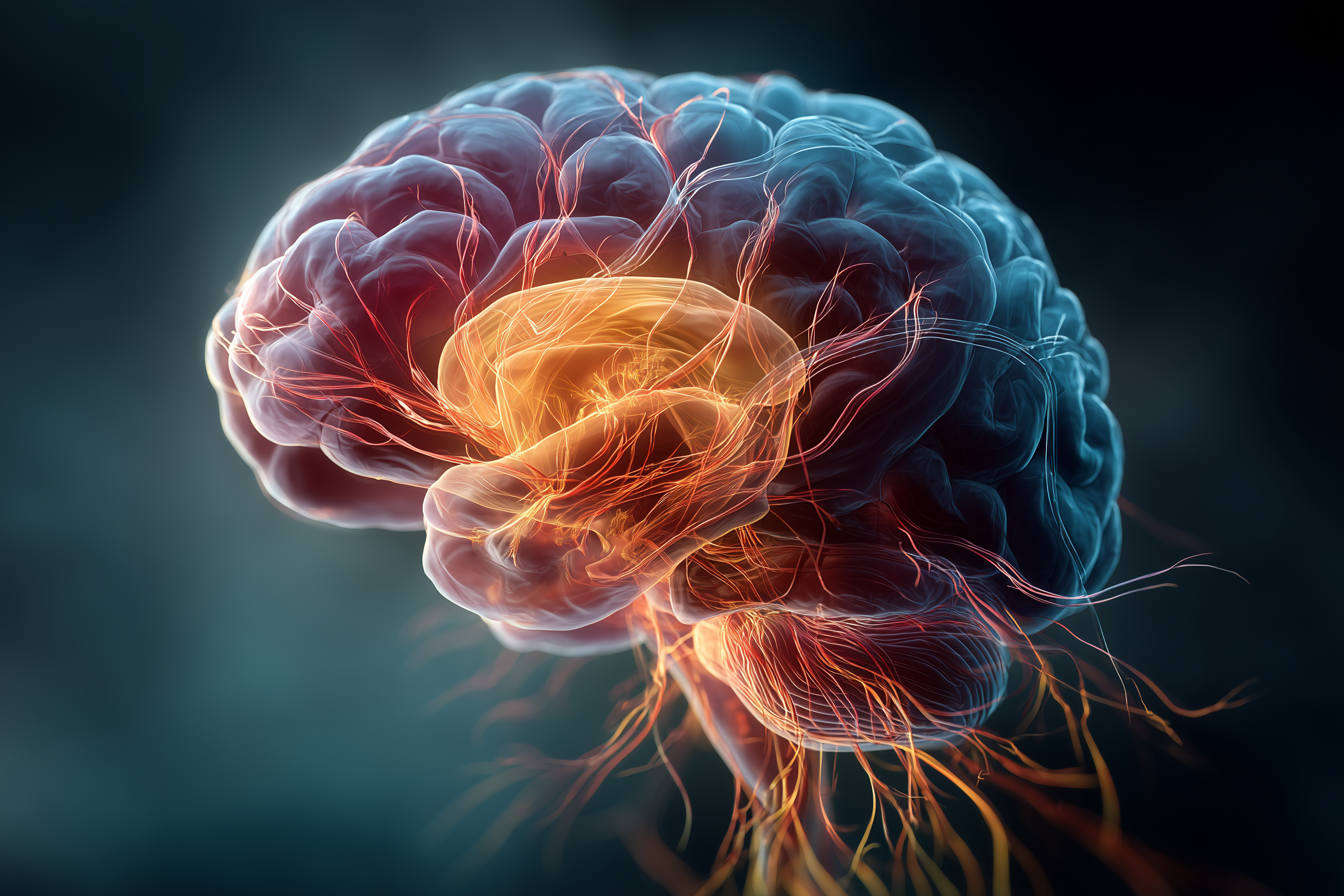
Research published in Nature Neuroscience shows that chronic pain literally rewires your brain, shifting activity from pain-processing regions to emotional centers in the limbic system (Baliki et al., 2012). The longer you wait to address neuroplastic pain, the stronger these neural pathways become.
It’s the same reason people stay in toxic relationships or jobs they hate. Change feels more dangerous than familiar chronic pain.
Your brain would rather be vigilant and wrong but survive than be careless and risk mortality. This negativity bias operates at a 3:1 ratio. We’re evolutionarily wired to assume the worst.
The Safety Secret That Eliminates Pain in Minutes
You know how people line up to watch horror movies? They’re literally paying to be scared out of their minds. They’ll grip the armrests, cover their eyes, maybe even scream out loud.
But here’s the thing: they’re not actually terrified. Deep down, they know they’re safe. It’s just a movie. The lights will come on. They’ll walk out of the theater laughing about how “scary” it was.
Pain works exactly the same way. The story you tell yourself about what’s happening determines how much you suffer.
Your nervous system is listening to every story you tell yourself. Make sure it’s a story worth believing.
So during those yoga sessions, I started having little conversations with my nervous system. “Hey, I know this feels scary, but look around. I’m safe. My surgeon cleared this. This sensation is just an old memory trying to protect me.”

Sounds a little woo-woo, right? But here’s the science behind this pain management approach: Pain Reprocessing Therapy gets 66% of people completely pain-free in just four weeks. Compare that to 20% with placebo treatments.
Sounds a little woo-woo, right? But here’s the science behind this pain management approach: A randomized controlled trial published in JAMA Psychiatry showed that Pain Reprocessing Therapy achieved remarkable results: 66% of participants were pain-free or nearly pain-free after just four weeks, compared to only 20% in the placebo group and 10% receiving usual care (Ashar et al., 2022).
You’re not just managing pain anymore. You’re rewriting the entire story.
What happened next changed everything I thought I knew about pain…
Neuroplastic vs Structural Pain: Understanding the Difference
Here’s what most people don’t realize: pain is rarely all physical or all mental. It’s usually a mix.
Picture a pie chart showing chronic pain causes. One person might have 70% neuroplastic pain and 30% actual structural issues. Their neighbor with the identical MRI results? Maybe 30% neuroplastic pain and 70% structural.
This is why two people with the same “slipped disc” can have completely different experiences. One person is back to hiking in six weeks. The other is still struggling two years later.
It’s not about being “tough” or having a “high pain tolerance.” It’s about the chronic pain story your nervous system is telling itself.
fMRI studies from Stanford’s pain lab reveal that when we experience chronic pain, our brains show increased activity in emotional processing centers rather than actual pain centers (Hashmi et al., 2013). Your brain is literally feeling emotions, not tissue damage.
Your conditioned emotional response to pain, combined with our natural negativity bias, amplifies the smaller structural component. Your limbic system triggers before your prefrontal cortex can engage logic.
We respond the same way to actual and perceived threats. Your survival mechanism becomes your healing obstacle.
The 4-Step Method That Stops Pain in Its Tracks
The key is creating space between sensation and reaction.
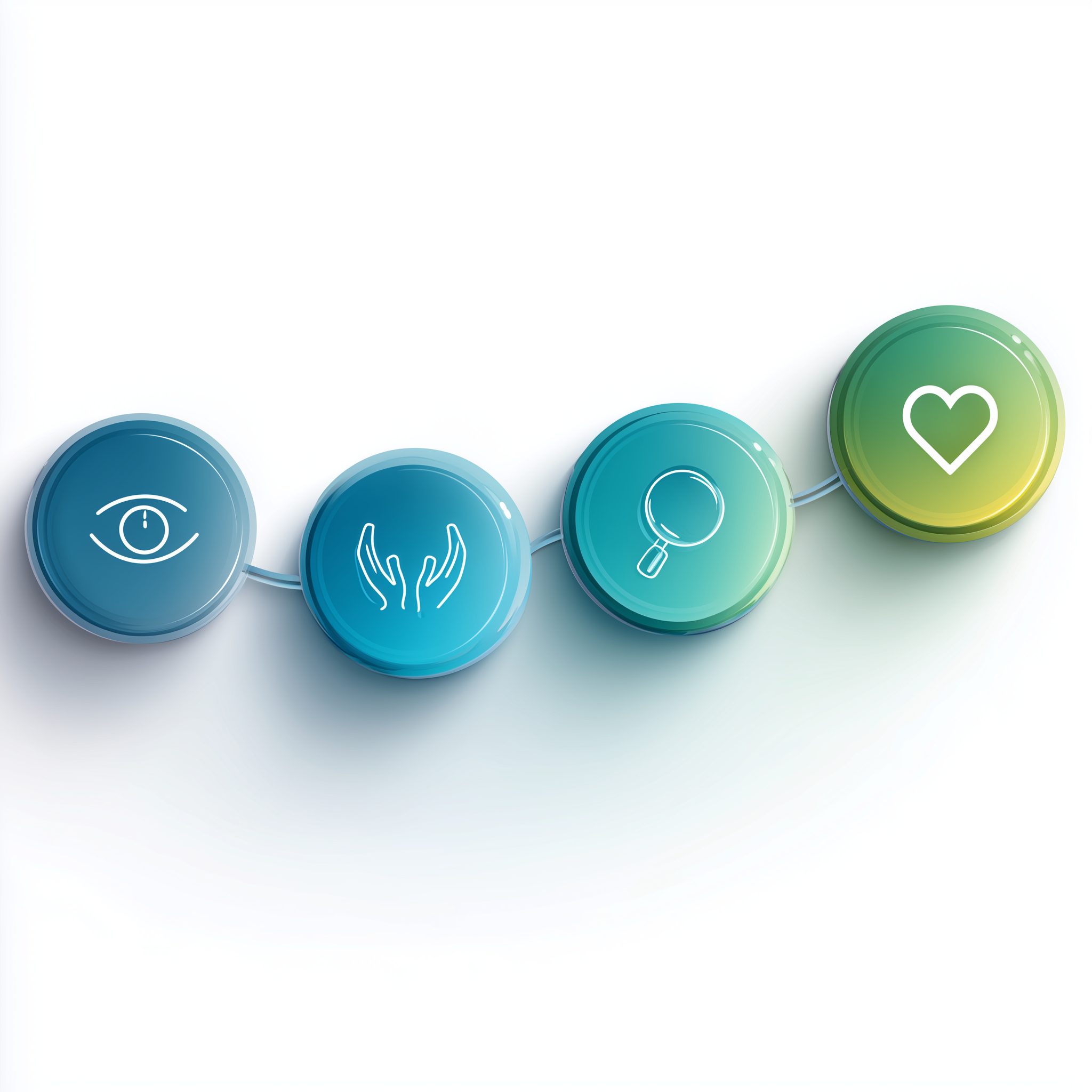
I use the R.A.I.N. pain management technique: Recognize, Allow, Investigate, Nurture. This activates your medial prefrontal cortex, which counters the limbic system’s automatic threat response.
My role isn’t to fix you. It’s to give you the map and tools to heal yourself.
Research from Harvard Medical School confirms that mindfulness meditation literally changes brain structure, strengthening areas involved in pain regulation while shrinking the amygdala’s fear response (Zeidan et al., 2011).
But here’s what most people miss: you need psychoeducation first. Understanding that neuroplastic pain is real but not dangerous. That chronic pain involves your limbic system, the areas responsible for mood, memory, and emotion.
This is why certain antidepressants help with chronic pain management. Why conditions like IBS and chronic fatigue often coexist with chronic pain. They’re all driven by the same motherboard in your autonomic nervous system.
My Personal Breakthrough (And Why It Matters for You)
I had to face something pretty humbling about my own relationship with pain.
Turns out, I was using my herniated disc diagnosis like a suit of armor. As long as I had that MRI showing “real” damage, I could push through anything. Pop pain medication, show up for my patients, be the hero who never lets anyone down.
Because God forbid I actually prioritize my own needs, right?
This martyr complex was exhausting. I was running on empty, but I told myself it was noble. I was needed. People were counting on me.
Then I had surgery, and suddenly my safety net was gone. The MRI looked great. I was “fixed.” So why was I falling apart emotionally?
That’s when I realized I’d been using my pain as an excuse to avoid dealing with months of suppressed fear, frustration, and exhaustion.
My pain was protecting me from having to prioritize myself. It gave me permission to avoid the deeper work of setting boundaries.
The night I cried in my car after realizing I’d been missing a crucial piece of the pain puzzle… that’s when everything changed.
But the transformation that followed will give you hope…
How Emotional Stress Creates Physical Pain
I see this pattern constantly in my practice. People who believe their worth is tied to how much they can do for others. How much they can carry. How much they can fix.
Their chronic pain symptoms become the only socially acceptable reason to finally say no. To miss the family gathering. To skip the volunteer commitment. To actually rest.
Your body creates chaos when we won’t create healthy limits ourselves.
I help them create micro-experiences of less or no pain in nurturing contexts. This proves their body has the capacity to feel differently when the emotional environment changes.
Research published in the Journal of Clinical Psychology shows that emotional stress literally creates physical pain through measurable changes in brain chemistry and nervous system function (Lumley et al., 2011).
I often have them do Gabor Maté’s self-compassion exercise. It’s eye-opening. They’ll discover they talk to themselves in ways they’d never dream of talking to a friend.
The first boundary they usually need to set? Simple but revolutionary: You don’t have to fix everyone else’s problems to deserve love.
📬 SHARE YOUR STORY: What boundary do you need to set to start healing? Comment below – your story might help someone else break free.
Your Pain Story Doesn’t Have to Be Your Forever Story
Everyone’s relationship with pain is deeply personal. What feels manageable to you might be unbearable to someone else, and vice versa.
But here’s what I’ve discovered through my own chronic pain recovery journey and years of pain management practice: once you understand your personal pain story, everything changes.
Pain is both a signal for actual danger and simply a device trying to get your attention. Like a smoke alarm that goes off when you burn toast. The alarm is real. The house isn’t burning down.
When you understand that neuroplastic pain creates real physical sensations without actual tissue damage, everything changes. Your body retains protective habits, guarding postures that create their own pain cycles.
The goal of effective pain management isn’t to eliminate all discomfort. It’s to distinguish between productive discomfort that leads to growth and harmful chronic pain that requires boundaries.
Sometimes the most compassionate thing you can do is stop carrying pain that isn’t yours to carry. Stop telling yourself stories about unworthiness that manifest as physical symptoms.
“Your nervous system is listening to every story you tell yourself. Make sure it’s a story worth believing.” 📱 Click to tweet this
When you start changing these deep patterns, your brain is going to throw a tantrum. I’m talking full-on extinction burst mode. It’ll feel like every cell in your body is screaming, “Go back! This is dangerous! Stick with what you know!”
This isn’t a sign your pain management approach is failing. It’s actually proof you’re succeeding. Your nervous system is just scared of the unknown.
But here’s what’s waiting on the other side of that discomfort: a completely different relationship with your body. Instead of pain controlling your life, it becomes information. Instead of your body feeling like the enemy, it becomes your wisest teacher.
The person you’ll become on the other side of this healing is worth fighting for.
The story you tell yourself about chronic pain determines whether you suffer or heal. Choose wisely.

Key Takeaways for Chronic Pain Management
Understanding chronic pain requires recognizing that most persistent pain is neuroplastic rather than structural. Effective pain management combines:
-
Pain education: Learning how your brain creates and maintains chronic pain (backed by research from JAMA Psychiatry, Nature Neuroscience, and Harvard Medical School)
-
Mind-body techniques: Using methods like the R.A.I.N. approach to retrain pain responses
-
Boundary setting: Addressing emotional stress that contributes to physical pain
-
Professional support: Working with healthcare providers who understand neuroplastic pain
Remember, chronic pain recovery is possible. Your brain learned these pain patterns, and it can unlearn them too.
🔥 Take Action Now
Try this 7-day challenge: Next time you feel pain, ask yourself: “What would I do if I wasn’t afraid of this sensation?” Then do that thing. Watch how your pain responds.
📢 Help others break free: Tag someone who needs to read this. Share your biggest insight in the comments. Your breakthrough story could be the hope someone else needs to start their healing journey.
Your pain story doesn’t have to be your forever story.
About the Author
Dr. Zev Nevo is a double board-certified physiatrist, chronic pain survivor, and founder of the Body & Mind Pain Center. He helps people with persistent pain rebuild capacity and confidence using an evidence-based, trauma-informed mind-body rehabilitation approach.
Listen: Mind Your Body Podcast
Learn & Join: Mind-Body Rehabilitation Community
Visit the Clinic: Body & Mind Pain Center
Medical Disclaimer
The information in this article is for educational and informational purposes only and is not intended as a substitute for professional medical advice, diagnosis, or treatment. Always seek the advice of a qualified healthcare provider with any questions you may have regarding a medical condition. Never disregard professional medical advice or delay in seeking it because of something you have read in this article. New or changing pain symptoms should always be properly evaluated by a medical professional.