 Mind Your Body Podcast
TL;DR: Traditional pain screening tools measure pain intensity on a 1-to-10 scale. That’s not enough. Decades of research show that psychological, social, and neurological factors predict chronic pain outcomes better than imaging. A biopsychosocial assessment addresses all three domains together and creates better results, clinically and financially.
-
Pain catastrophizing accounts for 47% of the variance in chronic back pain development.
-
Up to 90% of women with fibromyalgia report childhood or adult trauma.
-
Neuroplastic pain is generated by the brain and can be reversed through targeted therapy.
-
Psychological variables like depression and anxiety are among the strongest predictors of the shift from acute to chronic pain.
-
The biopsychosocial model is endorsed by the International Association for the Study of Pain and outperforms conventional treatment alone in both effectiveness and cost.
I’ve spent years watching patients walk into clinics carrying more than physical pain. They carry trauma histories, nervous systems stuck in threat mode, and brains that have learned to predict danger where none exists. Yet most chronic pain screening tools still ask one question: rate your pain from 1 to 10.
The biopsychosocial model for chronic pain management is now widely accepted as the most effective approach to chronic pain assessment and treatment.[1] The International Association for the Study of Pain, the National Academy of Sciences, and the US Pain Management Best Practices Inter-Agency Task Force all recommend comprehensive treatment. The evidence shows that addressing biopsychosocial factors is more clinically effective and more cost-efficient than conventional medical treatment alone.[1]
But acceptance and implementation are two very different things.
Pain Catastrophizing and Chronic Pain: The Data We’re Ignoring
Pain catastrophizing accounts for 47% of the variance in the development of chronic back pain following an acute episode.[2]
Nearly half. Let that land for a moment.
High levels of catastrophizing are a risk marker for poor immediate and long-term pain outcomes.[2] Across outpatient, inpatient, and perioperative settings, it consistently emerges as one of the strongest predictors of treatment results.[3]
The trauma connection runs deeper still.
The link between trauma and chronic pain is profound. Upwards of 90% of women with fibromyalgia syndrome report trauma in childhood or adulthood.[4] Among those with arthritis, 60% report such a history. With or without back surgery, upwards of 76% of patients with chronic low back pain report at least one trauma in their past.[4]
Any direct traumatic experience in childhood increases a person’s odds of suffering chronic pain in adulthood by 45%.[5] Children who endure four or more adverse experiences are 95% more likely than their peers to develop chronic pain as adults.[5]
Up to 80% of patients with severe posttraumatic stress disorder also suffer from unexplained chronic pain.[6]
These numbers tell us something critical: pain lives at the intersection of body, mind, and lived experience.
Key Point: The data is not subtle. Psychological and social factors are not peripheral to chronic pain. They’re central to it.
What the Brain Does With Pain
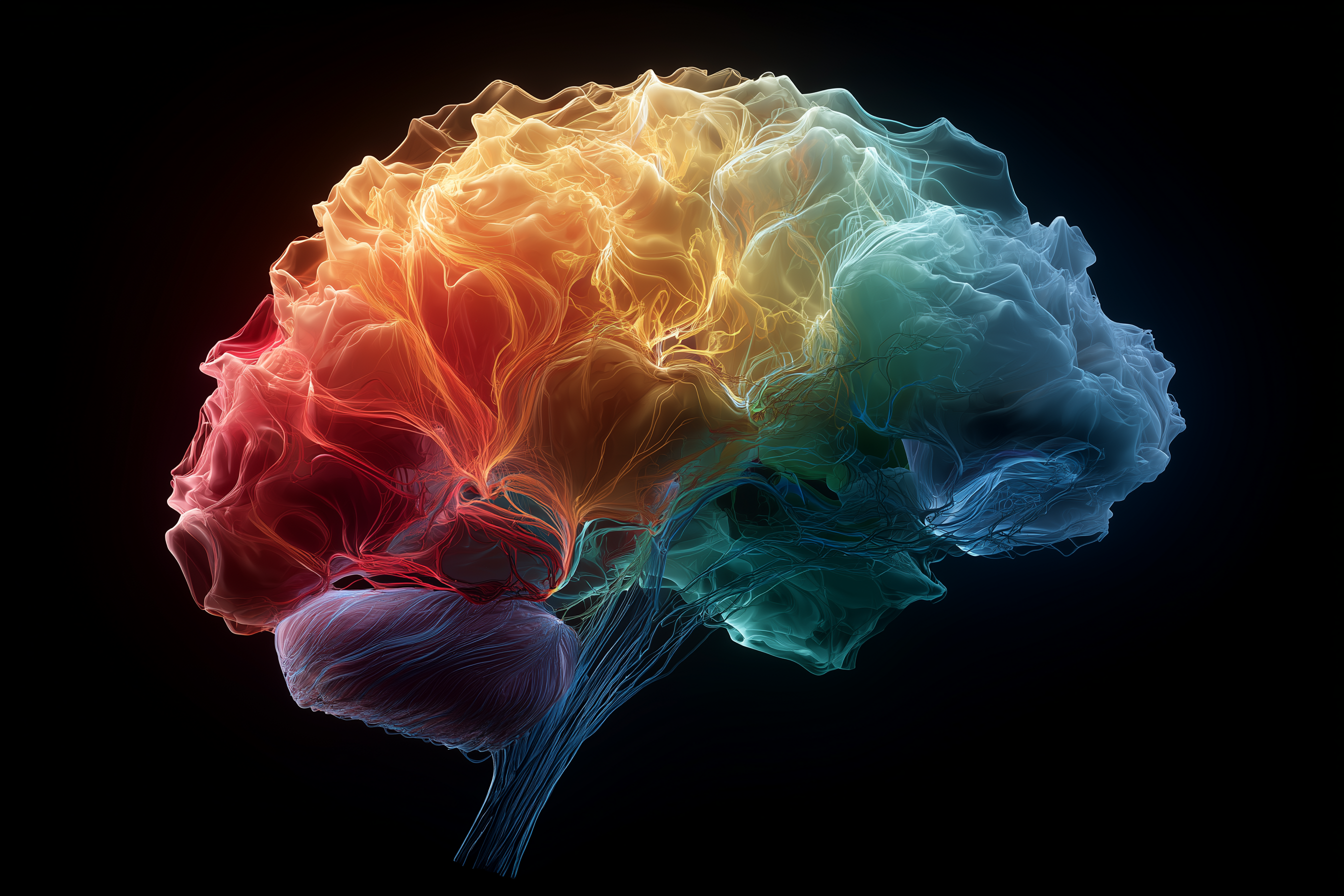
Neuroplastic pain is chronic pain generated by the brain in an attempt to protect us from perceived danger.[7]
When pain shifts from acute to chronic, it moves to different regions of the brain.[8] These regions are also involved in controlling emotion, memory, and learning. Research shows that chronic back pain, neck pain, fibromyalgia symptoms, and other forms of chronic pain are often the result of psychophysiologic processes that can be reversed.[7]
What the brain learns, it can unlearn. That’s not a platitude. It’s neuroscience.
Structural neuroplasticity in chronic pain includes measurable changes in discrete neuronal structures.[9] Gray matter decreases especially in pain-related networks like the anterior cingulate cortex, insula, and prefrontal cortex.[9] Depending on the type of pain, these changes can persist for years, even after the pain itself has been treated.
Chronic pain creates extensive neuroplastic changes in the brain’s neurons involved in pain, mood, and cognition.[9]
The bidirectional link between mood disorders and persistent pain is strong.[10] Psychosocial variables like depression, anxiety, and distress are among the most potent predictors of the transition from acute to chronic pain.[10]
Pain catastrophizing can be successfully modified through treatment to improve patient outcomes.[11] Change in catastrophizing is a significant, independent predictor of both pain severity and functional interference.[11]
Key Point: The brain is not a fixed structure. Chronic pain changes it. And targeted treatment can change it back.
The Structural Findings That Don’t Add Up
One study examined MRI scans of 98 people with no back pain and found that 64% had disk abnormalities.[12]
Disks deteriorate throughout life. By age 60, 90% of spines show degeneration.[12]
Like gray hair or wrinkles, those changes don’t necessarily hurt. Imaging results are too often treated as causal when they’re not. Pain is not always proportional to tissue damage.
In a study of people with chronic Achilles tendon pain, 68% had high fear of movement.[13] Only 17% of age-, sex-, and BMI-matched pain-free controls had the same.[13]
Recommending the same intervention for everyone with chronic pain isn’t precision medicine. Screening for fear of movement, identifying it as a mechanism, and targeting treatment accordingly is.
Key Point: Structural findings explain less than we think. Fear, catastrophizing, and nervous system state often explain more.
Comprehensive Chronic Pain Screening: What Biopsychosocial Assessment Looks Like
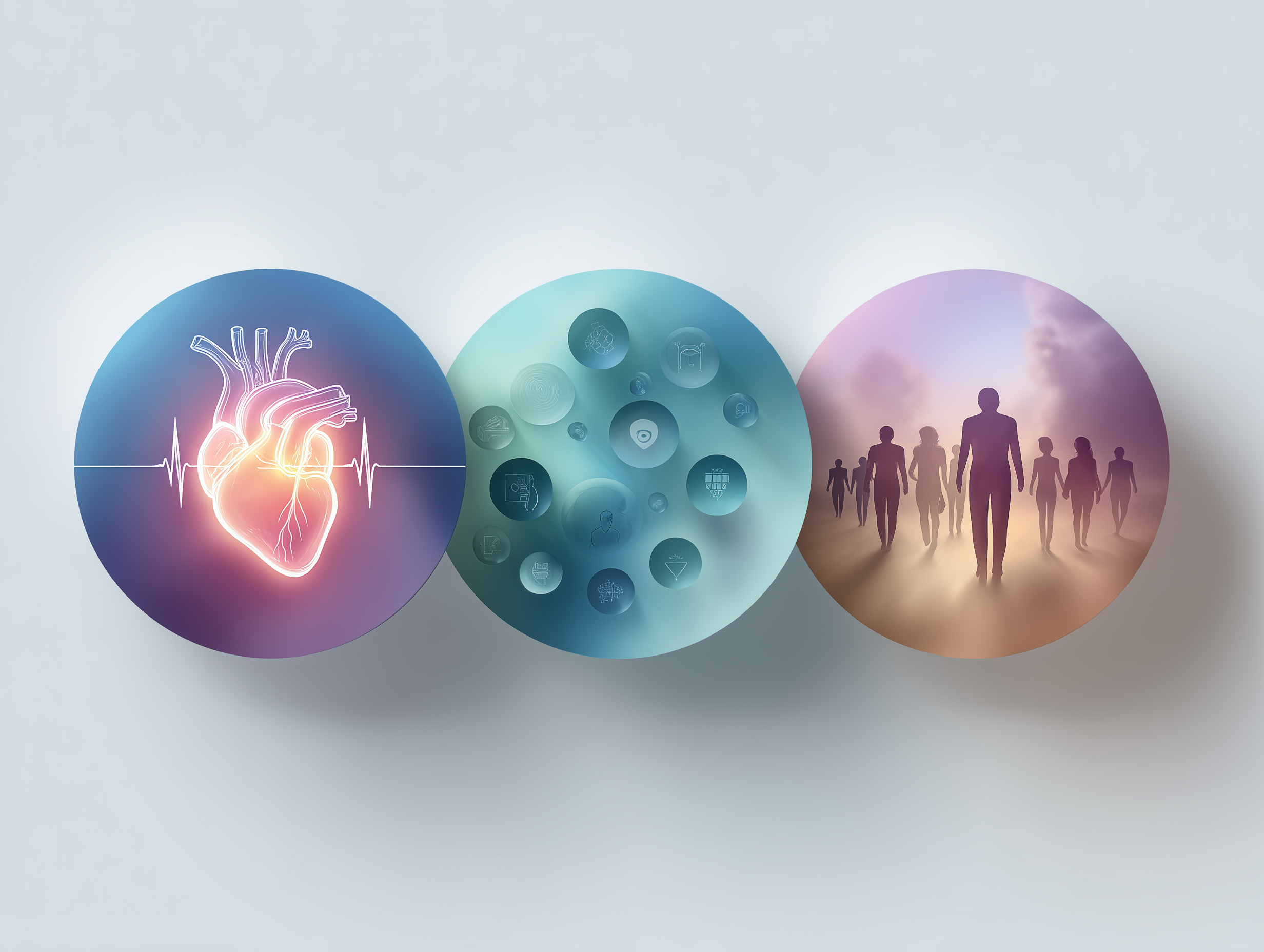
A truly comprehensive chronic pain assessment explores three interconnected domains. Here’s what each one includes and why it matters.
Psychological Factors
Pain catastrophizing sits at the top of the list. We need to know whether patients magnify threat, feel helpless, or ruminate on pain sensations. This pattern alone can predict treatment failure.
Emotional regulation difficulties matter deeply. Can patients identify and process emotions, or do feelings get stuck in the body as physical symptoms?
Post-traumatic stress shapes the pain experience. Trauma history affects the window of tolerance and creates learned pain associations through limbic system activation.
Cognitive distortions influence pain perception. All-or-nothing thinking, personalization, and catastrophic predictions amplify suffering.
Mental health impacts, including anxiety, depression, and PTSD, require formal assessment. The data shows these are predictors, not just consequences.
Physiological Measures
Heart rate variability (HRV) provides a window into nervous system regulation. Low HRV often signals a system stuck in sympathetic overdrive.
Allostatic load reflects the cumulative toll of chronic stress on the body. HPA axis activation creates chronic stress response patterns that keep pain going.
Somatic symptom patterns help identify when physical sensations lack proportional structural findings. Pain triggered by imagined movements or social contexts, or pain that arrives hours after activity, points toward neuroplastic mechanisms.
Social and Behavioral Components
Attachment styles influence how patients relate to care providers and engage with treatment. Insecure attachment often correlates with treatment resistance.
Trauma history needs careful, sensitive exploration. It affects everything from pain intensity to treatment response.
Social support systems act as protective factors. Work environments and relationships either buffer against pain or amplify it.
Coping mechanisms reveal whether patients have tools for stress management or default to avoidance and control-seeking.
Key Point: A biopsychosocial assessment isn’t a longer questionnaire. It’s a fundamentally different way of understanding what’s driving pain and what treatment will actually work.
The Treatment Implications
Cognitive Behavioral Therapy for Chronic Pain (CBT-CP) has demonstrated effectiveness in reducing maladaptive thoughts, psychological distress, and avoidance behaviors.[14]
Pain catastrophizing in children shows consistent, moderate-to-strong associations with poor functional outcomes.[15] Cognitive-behavioral, relaxation, and acceptance-based interventions have all demonstrated reductions in catastrophizing.[15]
Two thirds of trauma patients had chronic pain six years after their injury.[16] One in four had severe pain. The severity of injury predicted chronic pain development, which makes comprehensive biopsychosocial screening in trauma populations not optional but necessary.[16]
Psychological strategies with patient buy-in produce better outcomes.[17] How we frame treatment shapes patient expectations. And patient expectations shape treatment effectiveness.[17]
Pain Reprocessing Therapy (PRT) teaches patients about neuroplastic pain, validates that the pain is real, and addresses the brain’s learned prediction patterns.[18] This approach compresses recovery timelines by targeting the mechanisms that maintain pain rather than just the symptoms.[18]
Key Point: Treatment framing isn’t soft. It’s a clinical variable. What patients believe about their pain directly influences how they respond to care.
The Clinical Relationship as Medicine
Patient invalidation creates symptom persistence. I’ve seen it happen. When people feel dismissed, the nervous system doesn’t relax. It braces.
Radical honesty creates therapeutic opening.
Empathy and validation build the foundation for change. Pain validation is not optional. It’s the prerequisite for any reframing to take hold.
Clinician empathy normalizes the struggle. Clinician accountability builds trust. The message patients need to receive is simple: I won’t give up on you.
Fear and frustration amplify chronic pain intensity. Patients stuck in fear-pain cycles need nervous system safety before they can engage with rehabilitation.
Repeated treatment failures train the brain to expect failure. Fatalistic patients predict treatment failure. Reframing treatment extends the therapeutic window by shifting those learned expectations.
Key Point: The clinical relationship is not a delivery mechanism for treatment. It is the treatment. Co-regulation, trust, and validation are clinical interventions.
Moving Beyond the Pain Scale
A comprehensive biopsychosocial screening framework acknowledges that pain experiences are shaped by far more than tissue damage.
Trauma history, emotional intelligence, cognitive patterns, and social determinants of health all influence outcomes. Not occasionally. Reliably.
Beyond basic pain assessment, we need to explore deeper constructs: self-worth, identity, optimism, emotional granularity, and stress management capacity.
We need to weigh risk factors like catastrophizing and learned helplessness alongside protective factors like hope, grit, and emotional intelligence.
This kind of assessment gives clinicians what they need to build treatment plans that actually fit the person, not just the diagnosis.
The biopsychosocial model works. The evidence is not new. The challenge is implementation.
We need to start asking better questions.
When we understand that chronic pain gets hijacked by emotional-survival systems, when we recognize that the brain learns pain patterns that can be unlearned, when we validate suffering while addressing its mechanisms, we create space for genuine healing.
The pain is real. The structural findings often don’t explain it. Psychological and social factors predict outcomes better than imaging does.
It’s time our screening tools reflected what the science has been telling us for years.
Mind-Body Rehabilitation: Restoring Physical and Mental Fitness Together

This is where Mind-Body Rehabilitation changes the treatment paradigm.
Traditional rehabilitation focuses on restoring physical function. The goal here is to restore both physical fitness and mental fitness as integrated parts of pain recovery.
When I work with patients, the goal is never just about getting you moving without pain. It’s about rebuilding your relationship with your body, rewiring the neural pathways that maintain pain, and strengthening the psychological resilience that sustains healing.
Physical fitness in pain rehabilitation means more than strength and range of motion. It means teaching your nervous system that movement is safe, that your body is capable, and that physical sensations don’t automatically signal danger.
Mental fitness in pain rehabilitation means developing the cognitive and emotional tools to regulate your nervous system, reframe catastrophic thoughts, process unresolved trauma, and build the psychological flexibility that lets you engage fully with life.
You cannot separate these two domains. The brain that predicts pain is the same brain that controls movement. The nervous system stuck in threat mode affects both physical tension and emotional state. The trauma stored in your body influences both your pain experience and your capacity for healing.
Mind-Body Rehabilitation recognizes this integration at every level of care.
What Mental Fitness Training Looks Like
Mental fitness training in pain rehabilitation includes:
Nervous system regulation techniques that shift you from sympathetic overdrive to parasympathetic safety. Heart rate variability training, breathwork, and polyvagal-informed interventions give you real-time control over your physiological state.
Cognitive restructuring that addresses pain catastrophizing, fear-avoidance beliefs, and the catastrophic predictions that amplify suffering. You learn to recognize these patterns and replace them with more accurate, empowering interpretations.
Emotional processing skills that help you identify, tolerate, and express emotions rather than somatizing them as physical symptoms. Emotional granularity and regulation become tools for pain management.
Trauma-informed approaches that create safety in your nervous system and address the unresolved experiences that maintain pain patterns. This isn’t about reliving trauma. It’s about completing the protective responses that got interrupted.
Mindfulness and acceptance practices that change your relationship with pain sensations. Rather than fighting or fearing pain, you learn to observe it without judgment and respond with flexibility.
The Integration That Creates Lasting Change
When physical rehabilitation and mental fitness training work together, the outcomes shift.
Physical therapy exercises become opportunities to practice nervous system regulation. Strength training becomes evidence that your body is capable and safe. Movement progressions become experiments in challenging catastrophic predictions.
The cognitive work makes physical rehabilitation more effective. When fear-avoidance beliefs are addressed, patients engage more fully with movement. When trauma is processed, the nervous system releases its protective grip. When emotional regulation develops, pain intensity decreases.
This is why Mind-Body Rehabilitation produces outcomes that purely physical or purely psychological approaches cannot. We’re addressing the full system that generates and maintains chronic pain.
Treating the Human Behind the Pain
This is where Mind-Body Rehabilitation changes the conversation.
Traditional pain management treats diagnoses. We treat people.
When I assess a patient, I’m not reviewing their MRI or circling a number on a pain scale. I’m looking at the full human being in front of me: their trauma history, their nervous system state, their beliefs about their body, their social support, their capacity for emotional regulation.
Mind-Body Rehabilitation takes this comprehensive, patient-centered view because we understand something fundamental: you cannot separate the person from their pain.
The screening framework I’ve outlined isn’t academic theory. It’s the foundation of how we work with every patient. We ascertain the full scope of your pain experience, not to overwhelm you with assessments, but to understand what your pain is actually trying to tell us.
Because here’s what the research makes clear: when we address the biopsychosocial factors driving chronic pain, healing becomes possible. Not just symptom management. Actual healing.
What This Means for Your Care
Whether the intervention involves physical therapy, medication, injections, or psychological strategies, the approach stays the same: we’re treating you, not your diagnosis.
We assess pain catastrophizing because it’s modifiable, and when we modify it, outcomes improve.
We explore trauma history because unaddressed trauma perpetuates pain, and when we create safety in the nervous system, the body can begin to heal.
We evaluate social support and coping mechanisms because these factors predict recovery more reliably than imaging results do.
We examine beliefs about pain because neuroplastic pain can be unlearned when you understand the mechanisms driving it.
This isn’t about adding more appointments to your schedule. It’s about making sure every intervention is informed by a complete understanding of your unique pain experience.
The goal is lasting change. Not temporary relief that fades when an injection wears off or a prescription runs out. Sustainable healing that addresses the root mechanisms maintaining your pain.
Your Next Steps

If you’re living with chronic pain, sit with these questions:
Has anyone ever asked you about the psychological and social factors affecting your pain? If not, you’re missing half the picture.
Do you catastrophize about your pain? Magnifying threat, feeling helpless, ruminating on symptoms. These patterns are modifiable, and changing them changes outcomes.
Has trauma been part of your story? The connection between trauma and chronic pain is profound. Addressing one often helps the other.
Do you understand that your pain can be real and reversible at the same time? Neuroplastic pain is generated by the brain, and what the brain learns, it can unlearn.
You deserve care that sees you as a whole person. You deserve providers who understand that your pain lives at the intersection of body, mind, and life experience.
That’s what Mind-Body Rehabilitation offers. Not just treatment for a body part. Healing for the human being behind the pain.
Key Takeaways
-
A 1-to-10 pain scale doesn’t capture what drives chronic pain. Biopsychosocial screening does.
-
Pain catastrophizing accounts for 47% of the variance in chronic back pain development and is one of the strongest predictors of treatment outcomes.
-
Trauma is not a background detail. It’s a primary driver. Childhood adverse experiences increase adult chronic pain risk by up to 95%.
-
Neuroplastic pain is real, brain-generated, and reversible through targeted approaches like Pain Reprocessing Therapy.
-
Structural findings on imaging often don’t correlate with pain. Psychological and social factors predict outcomes more reliably.
-
The clinical relationship itself is a treatment. Validation, co-regulation, and trust are not soft skills. They’re mechanisms of healing.
-
Mind-Body Rehabilitation addresses both physical and mental fitness as inseparable components of lasting recovery.
Frequently Asked Questions About Biopsychosocial Pain Assessment
What is the biopsychosocial model of chronic pain?
The biopsychosocial model recognizes pain as the result of complex interactions between biological factors (tissue damage, neuroplasticity), psychological factors (emotions, beliefs, catastrophizing), and social factors (relationships, work, trauma history). It’s endorsed by the International Association for the Study of Pain and outperforms treatment that addresses physical symptoms alone.
What is pain catastrophizing and why does it matter?
Pain catastrophizing is a negative cognitive and emotional response to pain involving magnification of threat, helplessness, and rumination on pain sensations. Research shows it accounts for 47% of the variance in developing chronic back pain and is one of the strongest predictors of treatment outcomes across all healthcare settings.
How does trauma affect chronic pain?
Trauma significantly shapes both the development and persistence of chronic pain. Up to 90% of women with fibromyalgia report childhood or adult trauma, and children who experience four or more adverse childhood events are 95% more likely to develop chronic pain as adults. Trauma affects the nervous system’s threat response and creates learned pain associations that sustain chronic pain conditions.
What is neuroplastic pain?
Neuroplastic pain is chronic pain generated by the brain rather than ongoing tissue damage. When pain becomes chronic, it migrates to brain regions involved in emotion, memory, and learning. These structural changes are measurable and can be reversed through treatments like Pain Reprocessing Therapy that target the brain’s learned pain patterns.
What should a comprehensive chronic pain screening include?
A comprehensive chronic pain assessment evaluates psychological factors (pain catastrophizing, emotional regulation, trauma history, cognitive distortions), physiological measures (heart rate variability, allostatic load, somatic symptom patterns), and social components (attachment styles, social support, coping mechanisms). This identifies the specific factors contributing to each patient’s pain and guides personalized treatment.
What is Mind Body Rehabilitation and what modalities does it include?
Mind Body Rehabilitation is a comprehensive, integrated approach to chronic pain treatment that addresses both physical fitness and mental fitness as inseparable components of healing. Modalities include Pain Reprocessing Therapy (PRT), Polyvagal-informed listening therapies, Internal Family Systems (IFS), Emotional Awareness and Expression Therapy (EAET), HeartMath and HRV training, Integrative Somatic Trauma Psychotherapy, and other trauma-informed approaches. The core premise: you cannot separate the person from their pain.
About the Author
Dr. Zev Nevo is a double board-certified physiatrist, chronic pain survivor, and founder of the Body & Mind Pain Center. He helps people with persistent pain rebuild capacity and confidence using an evidence-based, trauma-informed mind-body rehabilitation approach.
Listen: Mind Your Body Podcast
Learn & Join: Mind-Body Rehabilitation Community
Visit the Clinic: Body & Mind Pain Center
Medical Disclaimer
The information in this article is for educational and informational purposes only and is not intended as a substitute for professional medical advice, diagnosis, or treatment. Always seek the advice of a qualified healthcare provider with any questions you may have regarding a medical condition. Never disregard professional medical advice or delay seeking it because of something you have read here. New or changing pain symptoms should always be evaluated by a medical professional.
References
-
Gatchel RJ, McGeary DD, McGeary CA, Lippe B. Interdisciplinary chronic pain management: past, present, and future. American Psychologist. 2014;69(2):119-130. https://doi.org/10.1037/a0035514
-
Picavet HSJ, Vlaeyen JWS, Schouten JSAG. Pain catastrophizing and kinesiophobia: predictors of chronic low back pain. American Journal of Epidemiology. 2002;156(11):1028-1034. https://doi.org/10.1093/aje/kwf136
-
Khan RS, Ahmed K, Blakeway E, et al. Catastrophizing: a predictive factor for postoperative pain. American Journal of Surgery. 2011;201(1):122-131. https://doi.org/10.1016/j.amjsurg.2010.02.007
-
Afari N, Ahumada SM, Wright LJ, et al. Psychological trauma and functional somatic syndromes: a systematic review and meta-analysis. Psychosomatic Medicine. 2014;76(1):2-11. https://doi.org/10.1097/PSY.0000000000000010
-
Nelson S, Cunningham N, Kashikar-Zuck S. A conceptual framework for understanding the role of adverse childhood experiences in pediatric chronic pain. Clinical Journal of Pain. 2017;33(3):264-270. https://doi.org/10.1097/AJP.0000000000000397
-
Fishbain DA, Pulikal A, Lewis JE, Gao J. Chronic pain types differ in their reported prevalence of post-traumatic stress disorder (PTSD) and there is consistent evidence that chronic pain is associated with PTSD: an evidence-based structured systematic review. Pain Medicine. 2017;18(4):711-735. https://doi.org/10.1093/pm/pnw065
-
Ashar YK, Gordon A, Schubiner H, et al. Effect of pain reprocessing therapy vs placebo and usual care for patients with chronic back pain: a randomized clinical trial. JAMA Psychiatry. 2022;79(1):13-23. https://doi.org/10.1001/jamapsychiatry.2021.2669
-
Baliki MN, Petre B, Torbey S, et al. Corticostriatal functional connectivity predicts transition to chronic back pain. Nature Neuroscience. 2012;15(8):1117-1119. https://doi.org/10.1038/nn.3153
-
Kuner R, Flor H. Structural plasticity and reorganisation in chronic pain. Nature Reviews Neuroscience. 2017;18(1):20-30. https://doi.org/10.1038/nrn.2016.162
-
Bair MJ, Robinson RL, Katon W, Kroenke K. Depression and pain comorbidity: a literature review. Archives of Internal Medicine. 2003;163(20):2433-2445. https://doi.org/10.1001/archinte.163.20.2433
-
Burns JW, Kubilus A, Bruehl S, Harden RN, Lofland K. Do changes in cognitive factors influence outcome following multidisciplinary treatment for chronic pain? A cross-lagged panel analysis. Journal of Consulting and Clinical Psychology. 2003;71(1):81-91. https://doi.org/10.1037/0022-006X.71.1.81
-
Boden SD, Davis DO, Dina TS, Patronas NJ, Wiesel SW. Abnormal magnetic-resonance scans of the lumbar spine in asymptomatic subjects. Journal of Bone and Joint Surgery. 1990;72(3):403-408. https://doi.org/10.2106/00004623-199072030-00013
-
Mallows A, Debenham J, Walker T, Littlewood C. Association of psychological variables and outcome in tendinopathy: a systematic review. British Journal of Sports Medicine. 2017;51(9):743-748. https://doi.org/10.1136/bjsports-2016-096154
-
Williams AC, Eccleston C, Morley S. Psychological therapies for the management of chronic pain (excluding headache) in adults. Cochrane Database of Systematic Reviews. 2012;11:CD007407. https://doi.org/10.1002/14651858.CD007407.pub3
-
Fisher E, Law E, Dudeney J, Palermo TM, Stewart G, Eccleston C. Psychological therapies for the management of chronic and recurrent pain in children and adolescents. Cochrane Database of Systematic Reviews. 2018;9:CD003968. https://doi.org/10.1002/14651858.CD003968.pub5
-
Andersen TE, Karstoft KI, Brink O, Elklit A. Pain-catastrophizing and fear-avoidance beliefs as mediators between post-traumatic stress symptoms and pain following whiplash injury. European Journal of Pain. 2016;20(8):1241-1252. https://doi.org/10.1002/ejp.848
-
Vase L, Petersen GL, Riley JL, Price DD. Factors contributing to large analgesic effects in placebo mechanism studies conducted between 2002 and 2007. Pain. 2009;145(1-2):36-44. https://doi.org/10.1016/j.pain.2009.04.008
-
Lumley MA, Cohen JL, Borszcz GS, et al. Pain and emotion: a biopsychosocial review of recent research. Journal of Clinical Psychology. 2011;67(9):942-968. https://doi.org/10.1002/jclp.20816